
Building a scalable Flutter architecture might sound intimidating for beginners, but it’s the secret to crafting apps that grow smoothly with your ambitions. Instead of rushing into code, understanding the proper structure can save hours of rework later. Flutter’s flexibility allows you to design smart, efficient apps, but only if you set strong foundations early. With the right approach, you can avoid messy codebases and future frustrations. In this guide, we’ll break down the essentials in a clear, practical, and beginner-friendly way. Whether building your first project or planning ahead, you’re in the right place. So, let’s dive in and discover the true potential of Flutter development!
Building a Scalable Flutter Architecture: A Guide for Beginners
Flutter is an excellent framework. It helps us build excellent mobile apps very easily. For small-scale apps, we don’t need to consider the architecture, but in the case of large-scale apps, this architecture helps us very much. That’s why these architectures are important.
Why is Architecture Important?
A well-structured architecture:
- Improves code readability and maintainability
- Enhances scalability and facilitates team collaboration
- Ensures smooth integration of new features and updates
Common Architecture Patterns in Flutter
Several architectural patterns are commonly used in Flutter. Here’s a quick look at the main ones:
1. MVC (Model-View-Controller)
- Model: Handles data and business logic
- View: Displays UI components
- Controller: Manages user input and updates Model & View
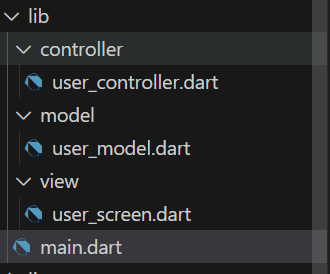
Use Case: MVC is a good choice for small projects. However, it’s not the best option regarding scalability and handling complex applications.
2. MVVM (Model-View-ViewModel)
- Model: Manages the application data
- View: Displays UI and listens to ViewModel changes
- ViewModel: Acts as a bridge between Model and View
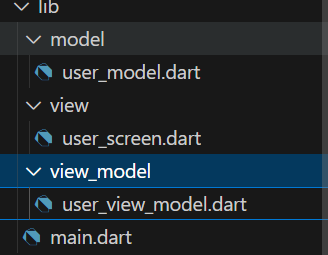
Use Case: MVVM works well with state management libraries like Provider or Riverpod, making it an excellent choice for apps requiring a moderate scalability level.
3. Clean Architecture (Recommended for Scalability)
Clean Architecture divides the app into distinct layers:
- Presentation Layer (UI + State Management)
- Domain Layer (Business Logic)
- Data Layer (API, Local Database, Repositories)
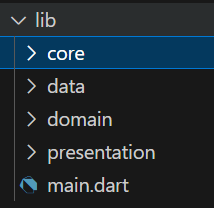
Use Case: Clean Architecture is best suited for large and complex applications with priorities for scalability, testing, and maintenance.
Setting Up a Scalable Flutter Architecture
Once you understand the importance of architecture, the next step is setting up your project correctly.
1. Project Structure
Organize your Flutter project clearly and logically. Here’s a recommended folder structure:
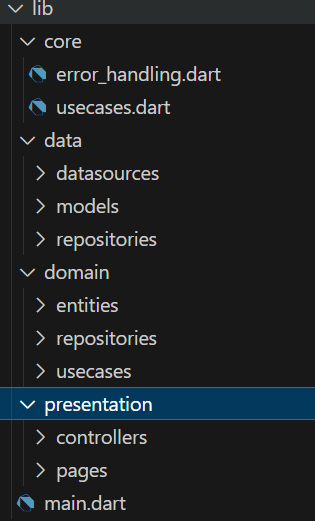
This separation ensures that different concerns (UI, business logic, data management) remain isolated and manageable.
2. Implementing State Management
Choosing the right state management solution is key to scalability. Popular options include:
- Provider: Simple and effective for medium-sized apps
- GetX: Lightweight and great for handling dependencies
- Bloc (Business Logic Component): Best suited for large applications that require complex state transitions and robust event handling.
Selecting the right tool depends on the complexity and size of your app.
Best Practices for Building a Scalable Flutter Architecture
When building a scalable Flutter architecture, following best practices is essential to ensure your app is maintainable, performant, and adaptable to changes. Here are some recommended best practices:
1. Keep Business Logic Separate
One of the most essential principles in scalable architecture is separating business logic from the UI. This reduces the UI’s complexity and allows for easier testing and maintenance. Use architecture patterns like Clean Architecture or MVVM to ensure business logic is isolated in the Domain Layer, separate from UI components.
2. Use Dependency Injection
Use a dependency injection (DI) framework like GetIt or Riverpod to manage dependencies efficiently and reduce tight coupling. DI ensures that your components remain modular and testable. It also helps when switching to different services (e.g., API calls and databases) without affecting the rest of the app.
3. Prioritize State Management
State management is a crucial part of scalable architecture. Flutter offers several state management approaches, including Provider, Riverpod, GetX, and Bloc. Choose one based on your project’s complexity to ensure the state management is predictable, scalable, and easy to test.
4. Follow SOLID Principles
SOLID is a set of five principles that guide object-oriented design and software development. Following these principles ensures that your code is modular, reusable, and easy to maintain. Here’s a quick overview of the SOLID principles:
- S: Single Responsibility Principle
- O: Open/Closed Principle
- L: Liskov Substitution Principle
- I: Interface Segregation Principle
- D: Dependency Inversion Principle
5. Ensure Proper Error Handling and Logging
When scaling up your app, you’ll encounter various exceptions and errors. Proper error handling ensures your app remains stable, even in unexpected conditions. Additionally, a logging system should be integrated to track issues, which helps debug and maintain the app as it grows.
6. Leverage Modularization
Modularization refers to splitting your application into smaller, independent modules or packages. This allows teams to work on different parts of the app without stepping on each other’s toes and also helps reduce build times. Flutter’s packages and plugins make breaking down the app into reusable components easier.
Building a Strong Foundation for Future Growth
As a beginner, investing time in understanding and applying scalable Flutter architecture can save you countless hours in the future. Whether you start small with MVC, level up with MVVM, or adopt a completely Clean Architecture for larger projects, the proper structure will make your development process smoother, faster, and more professional. Remember, strong architecture isn’t just about clean code; it’s about building apps ready for growth.