Why Everyone Talks About Odoo as an All-in-One Business Solution
Every business owner has asked this question at some point: Is there really one software that can handle everything? From sales to finance, HR to inventory, and even marketing, companies usually end up using different tools for each job. The result is a mess; too many subscriptions, too much data entry, and too little visibility. That’s when the idea of an all-in-one business solution starts to look attractive.
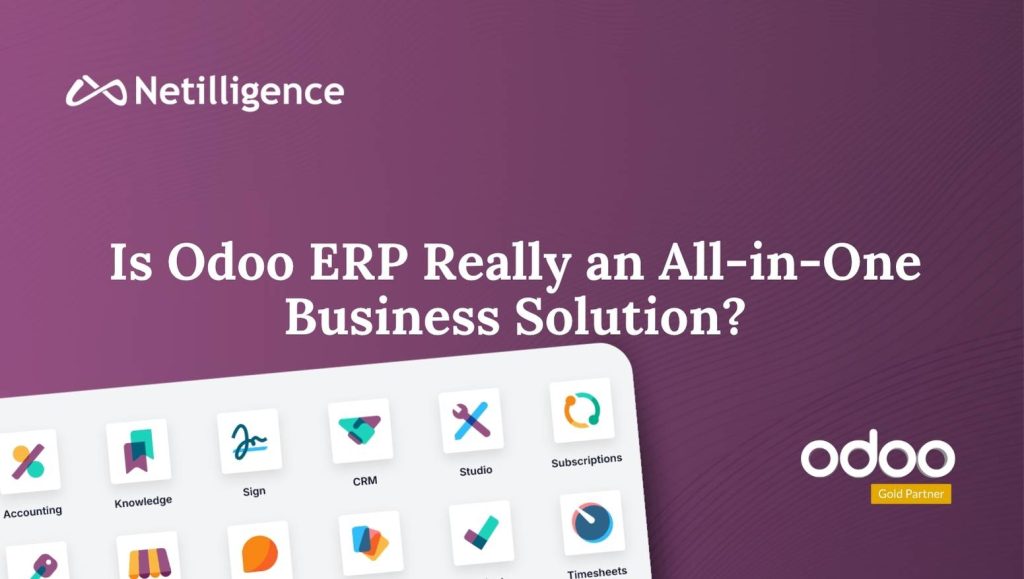
When you search for one system that does it all, Odoo always shows up in the discussion. Many call it the ultimate Odoo all-in-one business solution due to its wide range of apps. What makes it stand out is that it doesn’t just give you one or two tools; it provides you with everything, all inside one connected system. The Odoo ERP features cover almost every part of a business, making it one of the most practical integrated business software platforms today.
Business leaders who want to stop managing different tools look at Odoo’s flexibility. The Odoo modular ERP system enables users to start with basic functions and gradually add more capabilities as their business grows. The system operates differently from standard ERP systems because it does not need significant initial funding. The Odoo CRM ERP integration enables firms to link customer management directly to operational and financial processes, which proves challenging for most organizations to implement.
Some even compare Odoo to SAP, as both claim to cover all areas of business. The big difference? Odoo is an open-source, all-in-one ERP, making it far more accessible to small and medium-sized companies.
But the real question is: Does Odoo truly live up to the claim of being an all-in-one business solution? Let’s break it down step by step.
Why Businesses Run After an All-in-One Business Solution
Think about your daily business tasks. The sales team manages leads in one app. The accounts team runs reports in another. HR tracks attendance somewhere else. And your warehouse team? They probably use spreadsheets. This setup works for a while, but as soon as you grow, the gaps start showing. Data gets lost, mistakes happen, and decisions take longer.
That’s why an all-in-one business solution feels like a dream. Instead of handling ten different apps, you only log in once. Your sales team closes a deal, and the invoice is already waiting in finance. A customer buys online, and inventory is updated instantly. HR doesn’t need to ask accounting about salaries; it’s already in the system.
The idea that everything is connected is what makes Odoo an all-in-one business solution so appealing. Businesses want speed, accuracy, and cost savings, and they don’t want to spend their energy connecting scattered tools.
Exploring Odoo ERP Features That Cover Every Part of Business
When people say Odoo is complete, they are talking about its wide range of Odoo ERP features. Unlike many other systems, Odoo doesn’t just stop at finance or sales; it goes further.
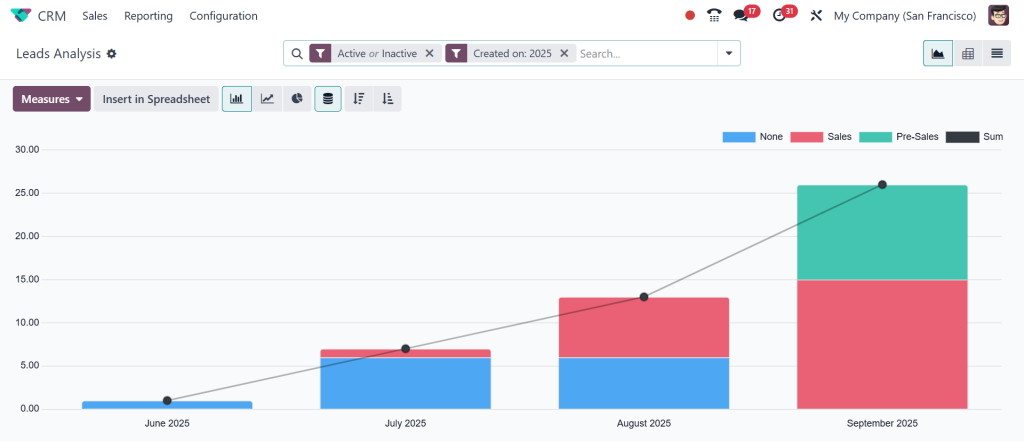
The CRM and Sales side of Odoo helps track leads, monitor deals, and manage customer relationships. Once the deal is closed, the invoice is automatically created in accounting; no manual data entry.
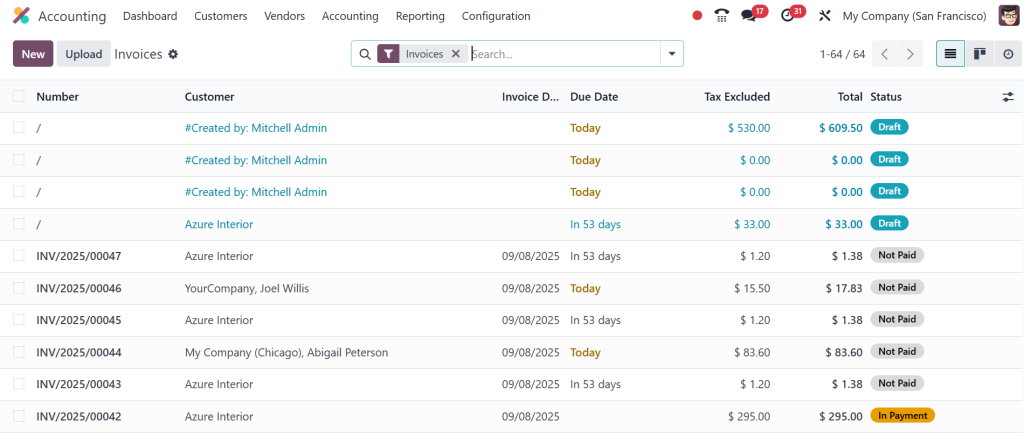
The Accounting and Finance module supports invoicing, multi-currency, payments, and expense tracking. It provides small businesses with professional-level financial control, while large companies can manage complex accounts across multiple countries.
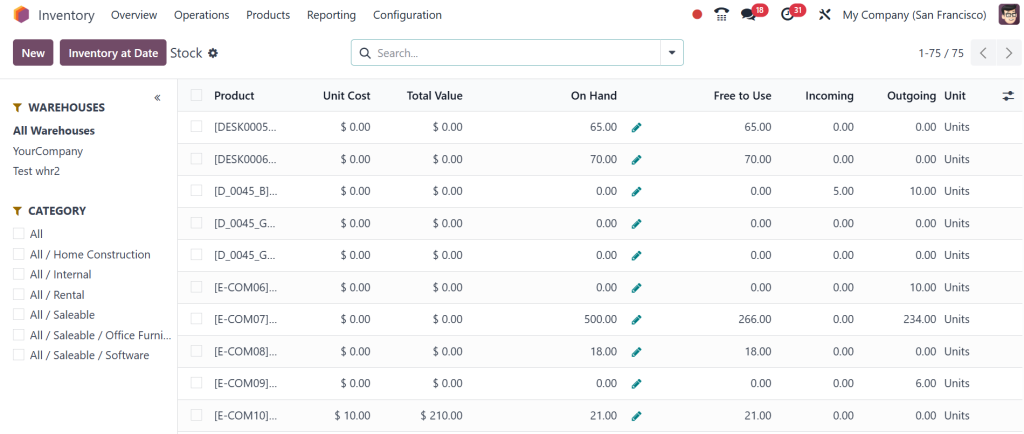
On the operations side, Inventory and Supply Chain management in Odoo ensures businesses know exactly what stock is available, what’s coming in, and what needs to be ordered.
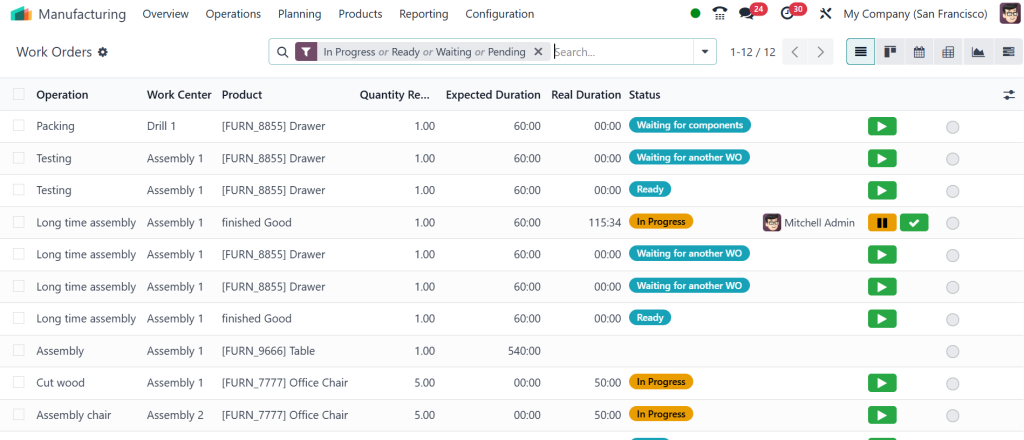
For manufacturers, the Manufacturing module manages work orders, production planning, and quality checks within a single platform.
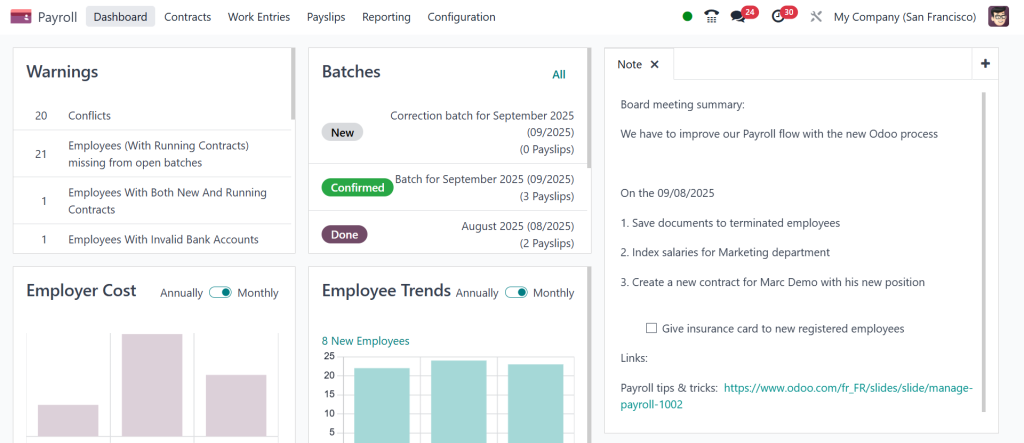
Human resources are equally important, and Odoo offers HR and Payroll features. From recruitment to contracts, attendance, and payroll, everything is linked.
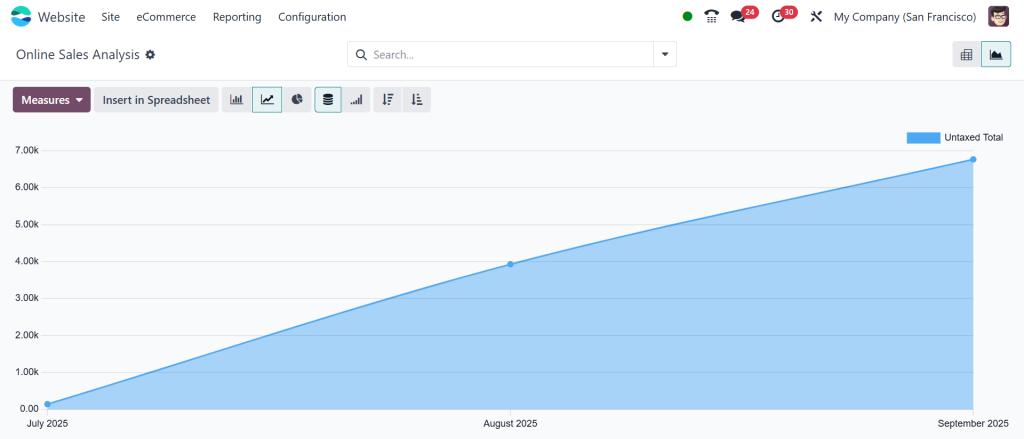
Even e-commerce and website management are included, which means businesses can sell online and automatically connect sales with inventory, shipping, and accounting.
This list of Odoo ERP features demonstrates why it is not just another ERP; it’s a comprehensive, integrated business software platform.
How Odoo Modular ERP Makes It Flexible for All Businesses
One of the biggest reasons companies choose Odoo is its modular ERP design. You don’t have to buy the whole system at once. If you’re a startup, you can begin with CRM and invoicing. Once you grow, you can add HR, inventory, or even a manufacturing module.
This flexibility is priceless. Traditional ERP systems, such as SAP or Oracle, typically require a comprehensive setup from the outset. That means heavy investment, even if you don’t use half the features. With Odoo, you only pay for what you actually need. That’s why many small and medium businesses see Odoo as the right balance between affordability and functionality.
Integrated Business Software Odoo and Why It Matters
At the end of the day, businesses want one thing, which is connection. A sales deal shouldn’t get stuck waiting for finance. HR should not be chasing accounting for payroll. And inventory data should not be buried in spreadsheets. That’s the power of integrated business software Odoo.
Because Odoo is fully connected, one action automatically updates across the system. If sales close a deal, accounting sees the invoice. If a product is sold online, inventory updates instantly. If HR updates employee data, payroll is already ready.
This integration reduces errors, saves time, and provides leaders with real-time visibility into the business. And that’s the true meaning of an all-in-one business solution, everything working together without friction.
Odoo CRM ERP Integration and Its Real Value
Customer data is the lifeblood of every business. But in many companies, CRM sits in one place and ERP in another. The result? Sales, marketing, and finance don’t speak the same language.
With Odoo CRM ERP integration, customer data flows everywhere. A lead entered by sales moves smoothly into invoicing once the deal is closed. If the customer calls support, the service team can instantly see their purchase and payment history. Marketing campaigns can be linked directly with CRM data, so sales get warm leads instead of cold ones.
This level of integration makes Odoo not just software, but a comprehensive all-in-one business solution that connects customers with operations.
Odoo vs SAP All in One – The Ongoing Comparison
No discussion about ERP is complete without talking about Odoo vs SAP all-in-one. Both claim to cover all business needs, but there are key differences:
Cost and Licensing
SAP usually requires a high upfront investment, making it more suitable for large enterprises. Odoo, as an open-source all-in-one ERP, offers more flexibility and lower costs, especially for SMEs.
Flexibility
Odoo modular ERP allows businesses to add apps as they grow. SAP solutions are more rigid and require significant customization.
Community and Support
Odoo has an extensive, open-source community that contributes to its growth. SAP, although established, lacks the same open-source adaptability.
User Experience
Many businesses find Odoo to be more user-friendly than SAP. This makes adoption easier, especially for smaller companies.
So, when businesses compare Odoo vs SAP all-in-one, many prefer Odoo for its affordability, adaptability, and simplicity.
Why Odoo, as an Open Source All-in-One ERP Stands Out
One of the most substantial advantages of Odoo is that it is an open-source, all-in-one ERP. This provides companies with more flexibility than traditional ERP systems. They can customize the platform, add apps, or even build their own extensions.
Because Odoo is open source, it also benefits from an extensive community of developers and contributors. This keeps the system fresh with constant improvements and innovations. For businesses, it means they get access to modern tools without being locked into expensive vendor contracts.
This openness is one of the main reasons Odoo is considered the most practical all-in-one business solution today.
So, Is Odoo ERP Really an All-in-One Business Solution?
After exploring the Odoo ERP features, modular structure, CRM integration, and its comparison with SAP, the question remains: Does Odoo live up to its reputation as an all-in-one business solution?
The answer largely depends on business needs:
For SMEs, Odoo is one of the best options. It’s affordable, flexible, and covers almost every function.
For large enterprises, it can be effective, but customization and professional support may be required.
For startups, Odoo’s modular ERP makes it easy to start with only the essential apps and grow later.
So, yes, Odoo is indeed a strong all-in-one business solution, but businesses must plan their implementation carefully.
Why Businesses Choose Odoo All-in-One Business Solution
Nowadays, businesses prefer unified systems. They want everything under one roof. Odoo gives them precisely that. With its wide Odoo ERP features, flexible Odoo modular ERP approach, and strong Odoo CRM ERP integration, it becomes much more than just another ERP. It becomes a truly integrated business software.
When compared to Odoo and SAP, Odoo stands out as the more intelligent choice for businesses seeking affordability, flexibility, and control. And because it’s an open-source all-in-one ERP, companies are not tied down by limits; they can grow and adapt the system as they please.
If you’re asking yourself whether Odoo ERP is really an all-in-one business solution, the answer is yes. It offers the tools, flexibility, and openness to address today’s business challenges within a single, connected platform.
Are you ready to explore how Odoo can become your all-in-one business solution? Netilligence can guide you every step of the way. Let’s create a system that fits your business perfectly.