Understanding Work-in-Progress (WIP) in Odoo 18
In the dynamic landscape of manufacturing, efficient management of work-in-progress (WIP) is crucial for maintaining productivity and profitability. Odoo 18 offers robust features for Odoo WIP management, enabling manufacturers to streamline their operations effectively. By leveraging the Odoo manufacturing module, businesses can gain real-time insights into their production processes, manage Odoo work-in-progress accounting, and ensure accurate Odoo manufacturing accounting practices. This blog post will explore the work-in-progress (WIP) in Odoo 18 and various functionalities of Odoo 18 related to WIP management, providing a comprehensive guide to optimizing your manufacturing workflow.
The Importance of Odoo WIP Management
Managing WIP is essential for several reasons. It allows manufacturers to track the status of products in production, allocate resources efficiently, and minimize waste. By utilizing Odoo 18 WIP features, businesses can enhance their production tracking capabilities, ensuring that each phase of the manufacturing process is monitored effectively. This proactive approach not only helps in identifying bottlenecks but also aids in making informed decisions that can lead to improved operational efficiency.
Key Features of Odoo 18 Manufacturing Module
1. Production Tracking
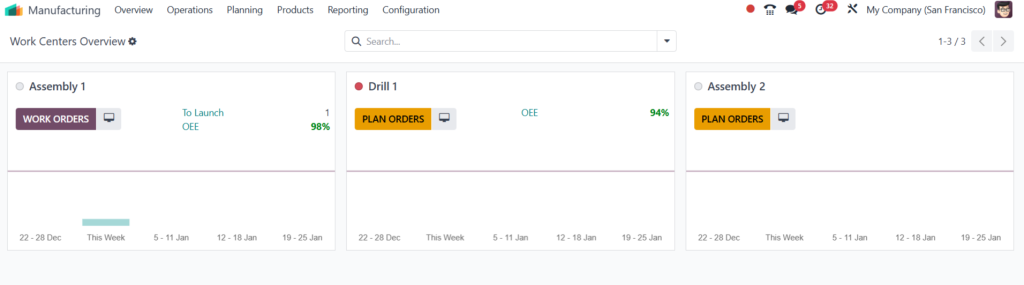
One of the standout features of Odoo 18 is its complete production tracking capabilities. The Odoo manufacturing module allows users to monitor each step of the production process in real-time. By implementing Odoo work-in-progress management techniques, manufacturers can gain visibility into their operations, ensuring that every item is accounted for and that production schedules are adhered to.
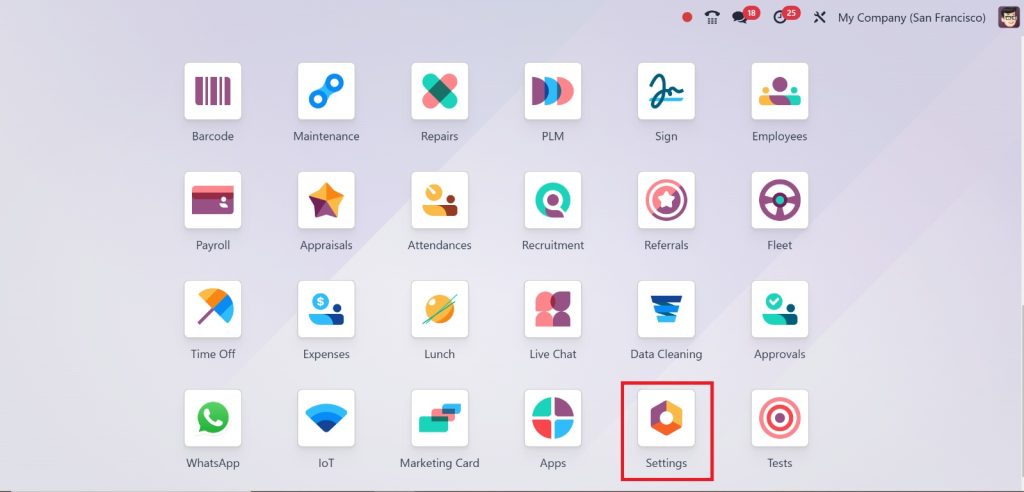
2. Efficient WIP Accounting
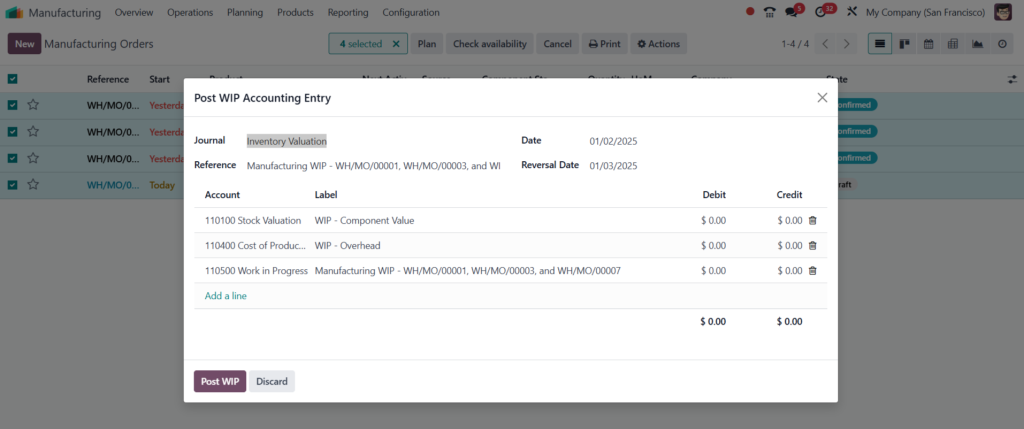
Odoo work-in-progress accounting is a vital aspect of managing manufacturing operations. It involves tracking the costs associated with unfinished goods, which can significantly impact financial reporting and decision-making. With Odoo 18, manufacturers can easily record and analyze WIP costs, ensuring that they have an accurate understanding of their financial standing at any given time.
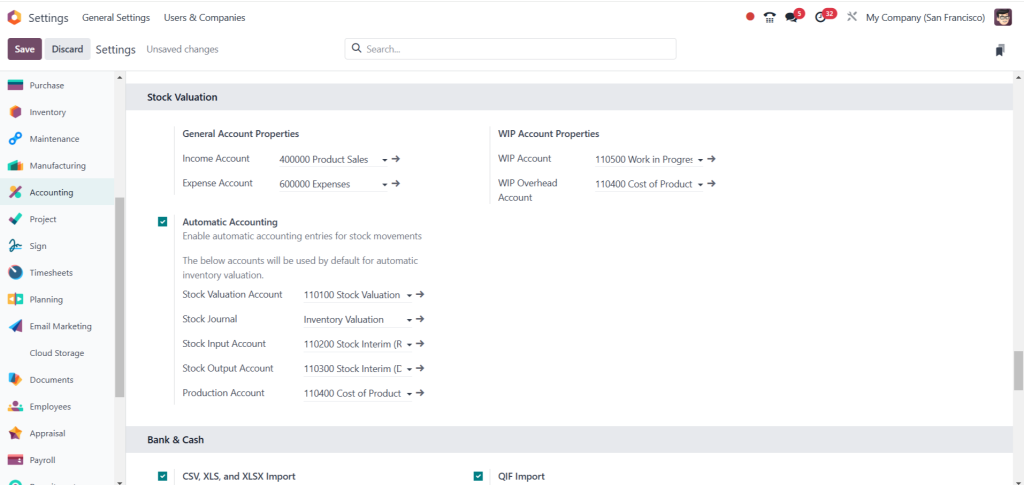
3. Enhanced Resource Allocation
Effective resource allocation is critical for optimizing production efficiency. Odoo 18 provides tools for managing resources, including labor, materials, and machinery. By utilizing Odoo manufacturing accounting features, businesses can allocate resources based on real-time data, reducing idle time and maximizing productivity.
4. Customizable Reporting and Analytics
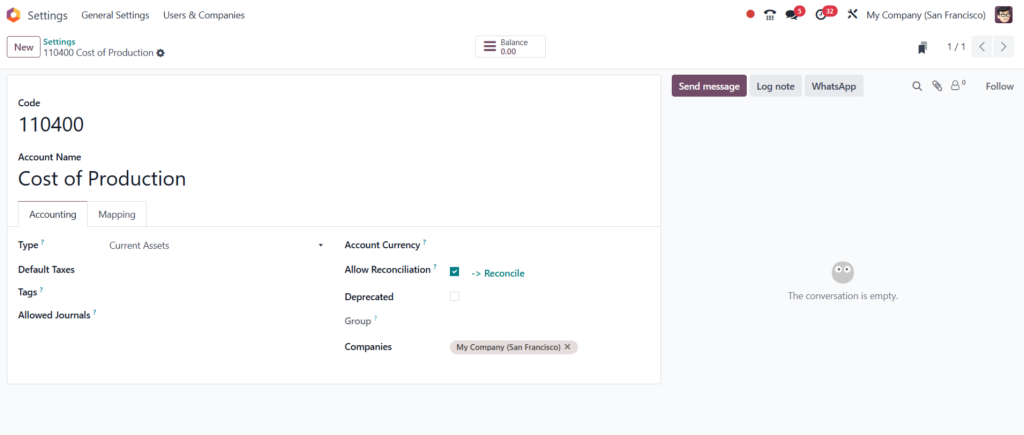
Odoo 18 offers customizable reporting options that allow manufacturers to generate insights tailored to their specific needs. By utilizing the Odoo WIP feature, businesses can create reports that highlight key performance indicators (KPIs), such as production efficiency and WIP turnover rates. This data-driven approach enables manufacturers to make informed decisions that can enhance their operational strategies.
5. Integration with Other Odoo Modules
Odoo 18’s manufacturing module seamlessly integrates with other Odoo applications, such as inventory management and accounting. This integration facilitates a holistic approach to business management, allowing manufacturers to synchronize their operations across various departments. By leveraging this interconnectedness, businesses can optimize their Odoo work-in-progress management and ensure that all aspects of production are aligned.
Best Practices for Odoo WIP Management
1. Regularly Update Production Data
To effectively manage WIP in Odoo 18, it is essential to keep production data up to date. This includes recording the status of work orders, tracking materials used, and documenting labor hours. Regular updates ensure that the information reflects the current state of production, enabling better decision-making.
2. Implement Lean Manufacturing Principles
Adopting lean manufacturing principles can significantly enhance Odoo work-in-progress management. By focusing on minimizing waste and maximizing value, manufacturers can streamline their processes and improve efficiency. Odoo 18 provides tools that support lean practices, such as just-in-time (JIT) inventory management and continuous improvement tracking.
3. Conduct Periodic WIP Audits
Conducting periodic audits of WIP can help identify discrepancies and inefficiencies in the production process. By utilizing the reporting features in Odoo 18, manufacturers can analyze WIP data and uncover areas for improvement. Regular audits ensure that businesses maintain accurate records and can quickly address any issues that arise.
4. Train Staff on Odoo Features
To fully leverage the capabilities of Odoo 18, it is crucial to invest in staff training. Ensuring that employees are well-versed in Odoo manufacturing module functionalities will enhance their ability to manage WIP effectively. Training sessions can cover topics such as production tracking, resource allocation, and Odoo work-in-progress accounting.
5. Utilize Automation Tools
Odoo 18 offers various automation tools that can simplify WIP management. By automating routine tasks, such as data entry and reporting, manufacturers can reduce the risk of human error and free up valuable time for their staff. Automation can also enhance the accuracy of Odoo manufacturing accounting, ensuring that financial records are reliable.
Optimizing Manufacturing Operations with Odoo 18
Effective management of work-in-progress (WIP) is essential for manufacturers seeking to optimize their operations. Odoo 18 provides a comprehensive suite of tools for Odoo WIP management, enabling businesses to track production processes, manage costs, and allocate resources efficiently. By implementing best practices and leveraging the features of the Odoo manufacturing module, manufacturers can enhance their production tracking capabilities and improve their overall operational efficiency.