Retail Is Getting Smarter, Is Your Business Ready?
AI Help Retailers make faster decisions, understand customers better, and manage daily operations with less manual work. From predicting what shoppers may buy to identifying products likely to run out of stock, AI in retail is changing how modern stores operate. Businesses are increasingly adopting AI retail solutions to integrate sales data, customer behavior, inventory levels, and marketing activities into a single intelligent system.
The growth of AI in the retail industry is not only about using advanced technology. It is about solving practical problems. Retailers need to know which products to stock, when to reorder them, which customers are likely to return, and how to offer relevant promotions without wasting their marketing budget. With retail AI software, these decisions can be supported by real-time data and predictive models.
For businesses dealing with large product catalogues and frequent transactions, traditional spreadsheets and manual reporting can quickly become difficult to manage. This is where AI Help Retailers reduce repetitive work and turn large amounts of business data into useful insights.
Whether a retailer operates physical stores, an online shop, or both, AI Help Retailers automate important processes across sales, inventory management, customer engagement, and retail analytics. When these capabilities are connected with an ERP system, retailers can gain better visibility across their entire operation.
How AI Helps Retailers Automate Sales
Sales teams deal with hundreds or thousands of transactions every day. An AI-powered system can analyze this information much faster than manual methods and identify patterns that may not be obvious to employees.
AI-Powered Sales Forecasting
One of the most useful applications of AI in retail is sales forecasting. AI can study historical sales, seasonal trends, product performance, customer behavior, and other relevant information to estimate future demand.
For example, if a retailer sells more certain products during a holiday period, an AI system can identify that pattern and help the business prepare its inventory and sales strategy in advance.
This allows retailers to make better decisions about:
- Expected product demand
- Seasonal sales
- Stock requirements
- Promotional campaigns
- Sales targets
Instead of relying entirely on assumptions, managers can use data-driven forecasts to plan ahead.
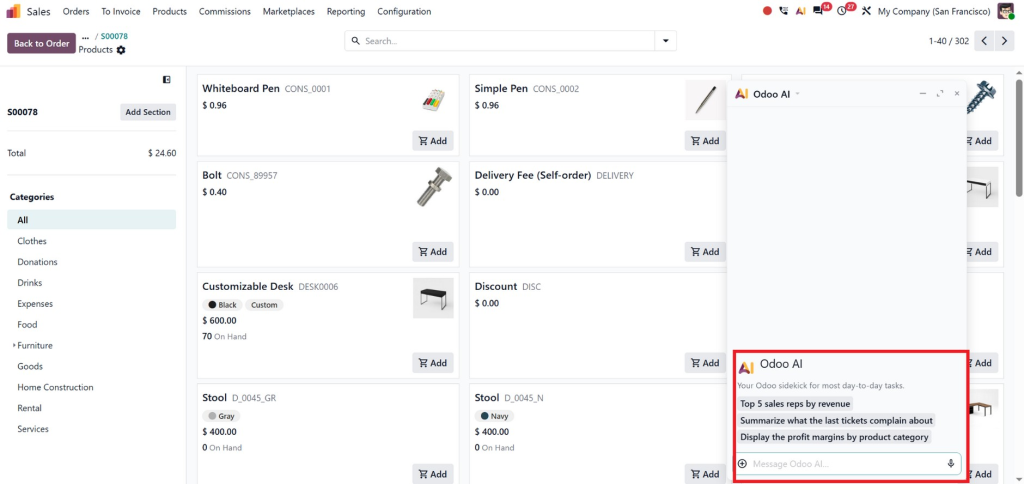
Personalized Product Recommendations
Customers expect shopping experiences that feel relevant to them. AI retail systems can analyze browsing activity, previous purchases, product preferences, and customer interactions to recommend products that may interest each shopper.
An online customer who frequently purchases sportswear, for instance, may receive recommendations for related shoes, accessories, or new arrivals.
This can increase cross-selling and upselling opportunities while making it easier for customers to discover relevant products.
AI Helps Retailers Improve Inventory Management
Inventory problems can directly affect profitability. Too much stock ties up money, while too little stock can result in missed sales and unhappy customers. This makes inventory management one of the strongest areas for AI adoption.
Predicting Demand Before Stock Runs Out
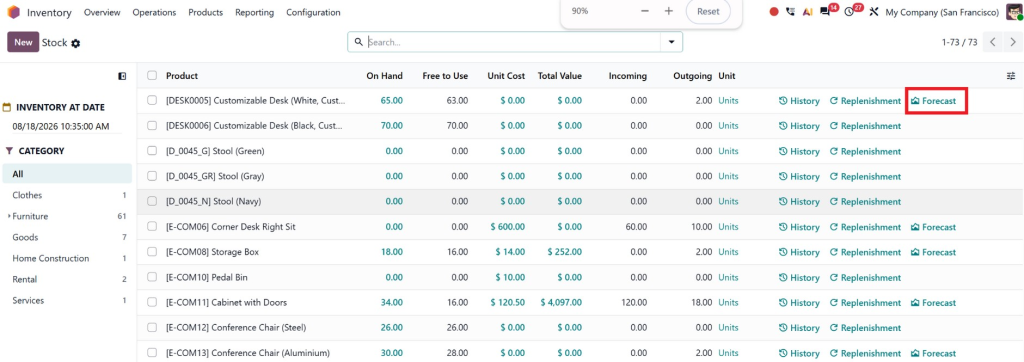
AI can examine historical sales and current trends to estimate how much inventory a retailer may need in the future.
Suppose a particular product normally sells 500 units per month, but demand starts increasing unexpectedly. An AI-powered system can identify the change and alert the business before inventory reaches a critical level.
This helps retailers reduce the risk of:
- Stockouts
- Overstocking
- Emergency purchases
- Unnecessary storage costs
- Lost sales
For businesses managing multiple stores or warehouses, this type of intelligence becomes even more valuable.
Smarter Reordering
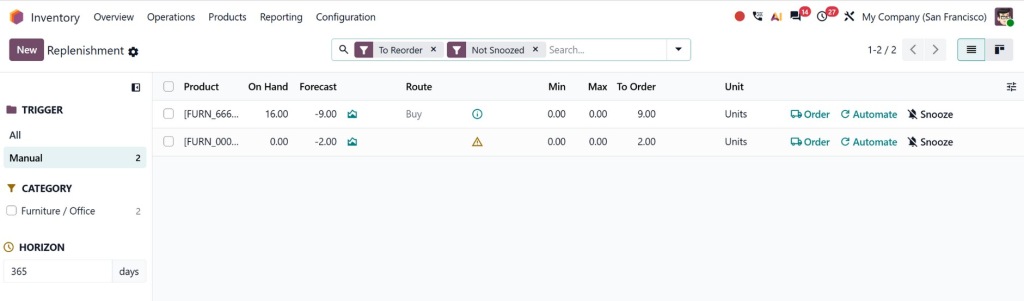
Traditional inventory systems may depend on fixed reorder levels. AI can make these decisions more dynamic by considering demand patterns, sales velocity, seasonal changes, and other business data.
Instead of simply asking, “Has the stock reached the minimum level?”, retailers can ask a more useful question: “How much stock will we actually need over the next few weeks?”
That shift can make inventory management more proactive and responsive.
Using Retail Analytics for Better Business Decisions
Retail generates huge amounts of data. Every transaction, product movement, customer interaction, and promotional campaign can provide valuable information. The challenge is turning that information into decisions.
This is where retail analytics becomes important.
Finding Sales and Customer Patterns
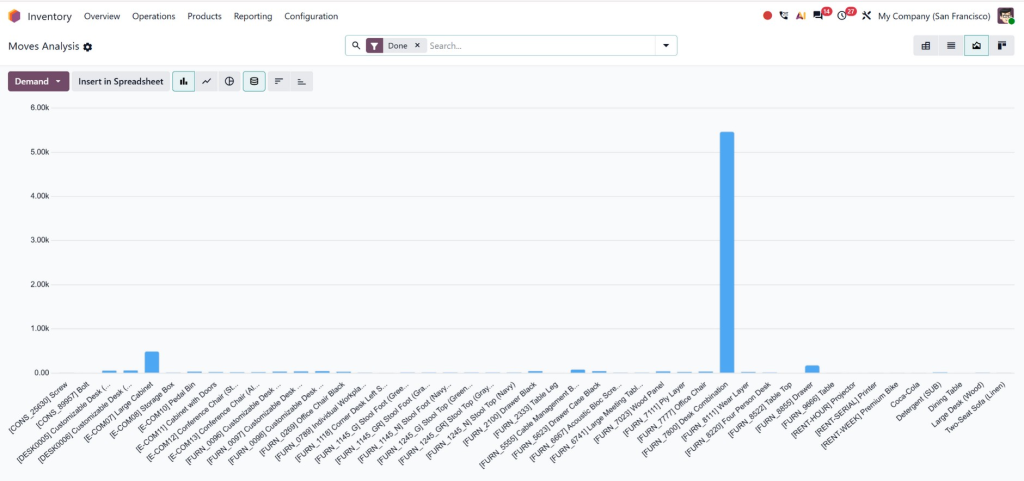
AI can analyze large datasets and identify patterns much faster than manual reporting. Retailers can discover which products sell together, which locations perform better, and which customer groups generate the most revenue.
For example, examples of AI in retail includes systems that identify customers who frequently purchase complementary products. A retailer can use this information to create product bundles or targeted offers.
AI can also help identify unusual changes in sales. If a product suddenly experiences a sharp decline, the system can help managers investigate possible causes such as pricing, competition, availability, or changing customer preferences.
Turning Data Into Action
Good analytics should not simply produce complicated reports. It should help managers decide what to do next.
With retail AI software, dashboards can highlight key changes and provide decision-makers with a clearer view of business performance. Instead of spending hours collecting data from different sources, managers can focus more on interpreting the results and taking action.
How AI Builds Stronger Customer Loyalty
Getting a customer to make a first purchase is important, but encouraging that customer to return can have an even greater long-term impact.
AI can help retailers understand customer behavior and create more relevant loyalty strategies.
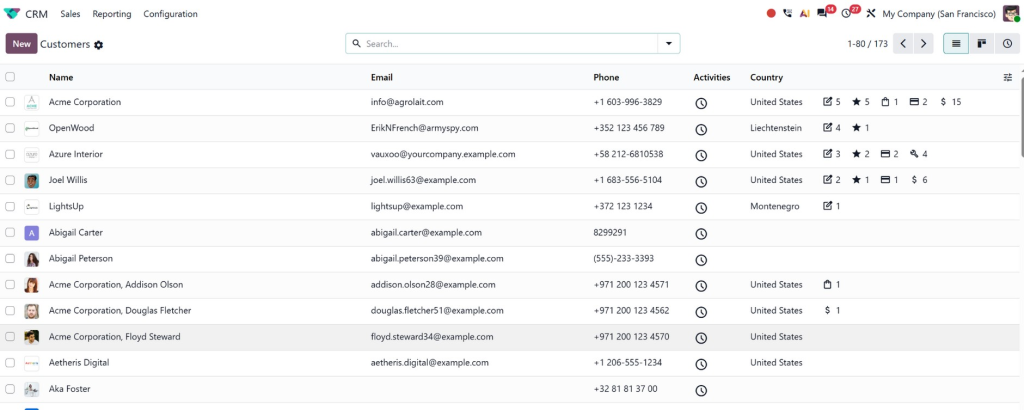
Smarter Customer Segmentation
Not every customer has the same needs. Some customers purchase frequently, while others buy only during promotions. Some prefer specific categories, while others respond better to discounts.
AI can analyze purchasing patterns and divide customers into meaningful segments.
For example, retailers may identify:
- Frequent buyers
- High-value customers
- Discount-focused shoppers
- Customers who have stopped purchasing
- Customers likely to make another purchase
This information can support more targeted marketing campaigns.
Personalized Loyalty Offers
Generic promotions may not work equally well for everyone. AI can help businesses determine which products or offers are more relevant to different customer groups.
A customer who regularly purchases skincare products could receive an offer related to that category, while another customer who frequently purchases home appliances could receive a different recommendation.
This makes loyalty programs more relevant and can encourage repeat purchases.
Examples of AI in Retail That Deliver Real Value
There are many practical examples of AI in retail beyond chatbots and recommendation engines. Retailers can use AI across multiple parts of their operations.
Dynamic Pricing
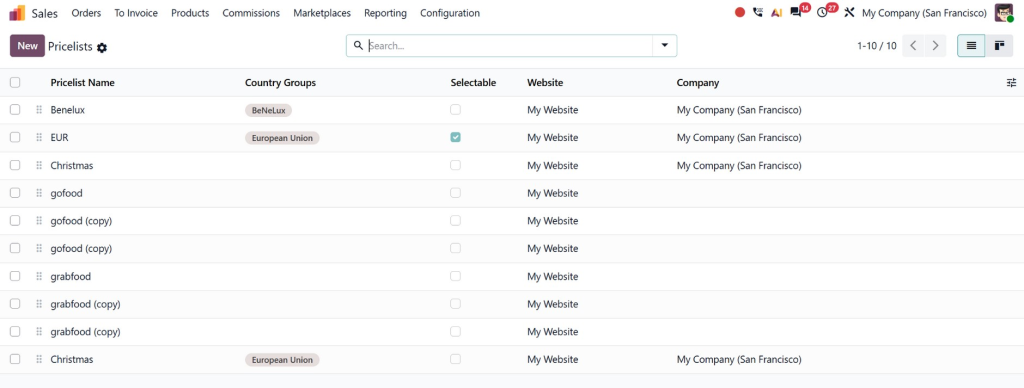
AI can analyze demand, product performance, market conditions, and sales patterns to help retailers make better pricing decisions.
For products with fluctuating demand, intelligent pricing recommendations can help businesses respond more quickly while protecting margins.
AI Customer Support
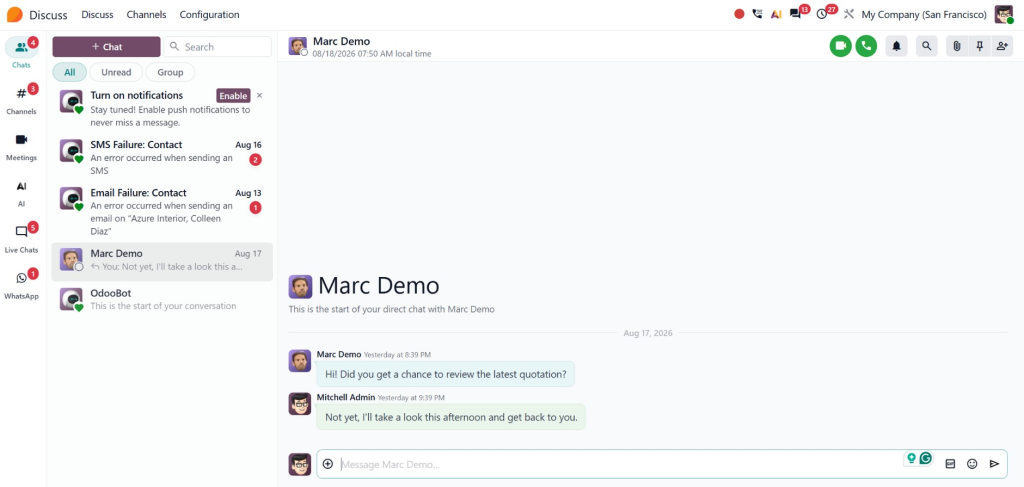
AI-powered assistants can answer common customer questions about products, orders, availability, and delivery. This allows human employees to spend more time handling complex customer issues.
Fraud Detection
AI can identify unusual transaction patterns that may indicate suspicious activity. This can help retailers monitor transactions and reduce potential losses.
Visual Product Search
Some AI systems allow customers to search for products using images. A shopper can upload a picture of an item and find similar products available in the retailer’s catalog.
These applications show that AI in the retail industry is not limited to one department. It can support the customer journey from product discovery to purchase and repeat buying.
Connecting Retail AI With ERP for End-to-End Automation
AI becomes even more useful when it works with reliable business data. This is why integrating retail AI software with an ERP platform can be a valuable step for growing retailers.
An ERP system can bring together sales, inventory, purchasing, accounting, customer information, and other business operations. AI can then use this connected data to identify trends and support better decisions.
For example, when sales data is linked to inventory information, retailers can understand not only what is selling but also whether sufficient stock is available to meet future demand.
This can help businesses create a more connected workflow:
Sales data → AI analysis → Demand forecast → Inventory planning → Purchasing → Customer fulfillment
The result is a retail operation where departments do not have to work with disconnected information.
For businesses considering AI in retail, the goal should not be to add AI simply because it is a popular technology. The better approach is to identify operational problems first and then use AI where it can provide measurable value.
Why Businesses Should Invest in AI Retail Solutions
The retail market is becoming more competitive. Customers have more choices, product trends can change quickly, and businesses need to control costs while maintaining good customer experiences.
AI Help Retailers respond to these challenges by making business processes more data-driven.
With the right implementation, retailers can benefit from:
- Faster sales analysis
- Better demand forecasting
- More accurate inventory planning
- Personalized customer experiences
- Improved loyalty campaigns
- Reduced repetitive manual work
- Faster business decisions
- Better visibility across operations
However, successful AI adoption depends on having accurate data and a system that can connect different business functions.
This is where professional ERP and AI implementation support can make a major difference. At Netilligence, businesses can explore how ERP, automation, analytics, and AI technologies can work together based on their specific retail requirements.
Instead of investing in disconnected tools, retailers can build a technology environment where sales, inventory, customer data, and reporting support each other.
Build a Smarter, AI-Powered Retail Business
AI Help Retailers move from reactive operations toward smarter, more proactive decision-making. From forecasting demand and improving inventory management to personalizing customer offers and analyzing sales performance, AI can support nearly every stage of the retail journey.
The real value of AI retail is not simply automation. It is the ability to use business data more intelligently. When AI is combined with ERP systems and retail analytics, retailers can gain a clearer understanding of what customers want, what products they need, and where their business can improve.
For retailers ready to take the next step, implementing AI in the retail industry with the right ERP and automation strategy can turn everyday business data into practical opportunities for growth, efficiency, and stronger customer relationships.