In the rapidly evolving world of e-commerce, choosing the right platform is crucial for the success of your online business. Two of the most prominent contenders in this arena are Odoo and Shopify. As we delve into the Odoo vs. Shopify debate, we will explore their features, advantages, and disadvantages and what you should consider when selecting the best platform for your e-commerce needs.
The E-commerce Landscape
The e-commerce landscape is diverse, with numerous platforms supporting various business models. Among these, Odoo and Shopify stand out for their unique offerings and capabilities. While Shopify is known for its user-friendly interface and extensive app ecosystem, Odoo boasts a comprehensive suite of business applications that extend beyond e-commerce. In this Odoo vs Shopify comparison, we will analyze the strengths and weaknesses of each platform, helping you make an informed decision for your online store.
Odoo E-commerce Features
Odoo is not just an e-commerce platform but an entire suite of business applications that integrate seamlessly. Here are some key features of Odoo’s e-commerce capabilities:
1. Business Management
Odoo provides a unified platform that includes CRM, inventory management, accounting, and project management. This integration allows businesses to manage all aspects of their operations from a single interface.
2. Customization and Flexibility
One of Odoo’s standout features is its high level of customization. Using Odoo’s modular approach, businesses can tailor their online store to meet their unique needs, from design to functionality.
3. Multi-Channel Selling
Odoo supports multi-channel selling, enabling businesses to sell on various platforms, including marketplaces and social media, all while managing inventory and orders from one central location.
4. Built-in SEO Tools
Odoo includes built-in SEO tools that help businesses optimize their online stores for search engines, improving visibility and driving traffic.
5. Advanced Analytics
Odoo offers advanced analytics and reporting features, allowing businesses to track performance, sales trends, and customer behaviour. These features are crucial for making informed decisions.
Shopify Pros and Cons
Shopify is often regarded as one of the best e-commerce platforms available. However, its advantages and disadvantages must be considered.
Pros of Shopify
– User-Friendly Interface: Shopify is known for its intuitive interface, making it easy for non-technical users to set up and manage their online stores.
– Extensive App Marketplace: With thousands of apps available, Shopify allows businesses to easily extend their store’s functionality.
– 24/7 Customer Support: Shopify provides round-the-clock customer support, ensuring help is available whenever needed.
– Mobile Responsiveness: Shopify themes are designed to be mobile-responsive, providing a seamless shopping experience on all devices.
Cons of Shopify
– Transaction Fees: Unless you use Shopify Payments, you may incur transaction fees, which can add up for businesses with high sales volumes.
– Limited Customization: While Shopify is user-friendly, it can be limiting for businesses that require extensive customization beyond what is offered in the app marketplace.
– Monthly Fees: Shopify’s subscription model can become costly, especially for new small businesses.
Odoo vs Shopify Comparison: Key Considerations
When comparing Odoo vs Shopify, several factors should influence your decision:
Odoo | Shopify |
Odoo is ideal for larger businesses requiring a comprehensive application suite and advanced customization options. Its modular nature allows companies to scale as needed. | Shopify is better suited for small to medium-sized businesses, prioritizing ease of use and quick setup. |
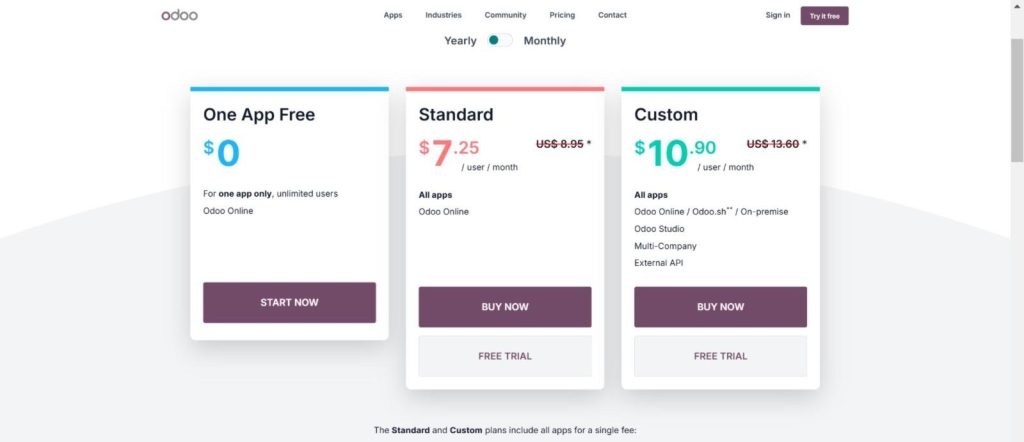
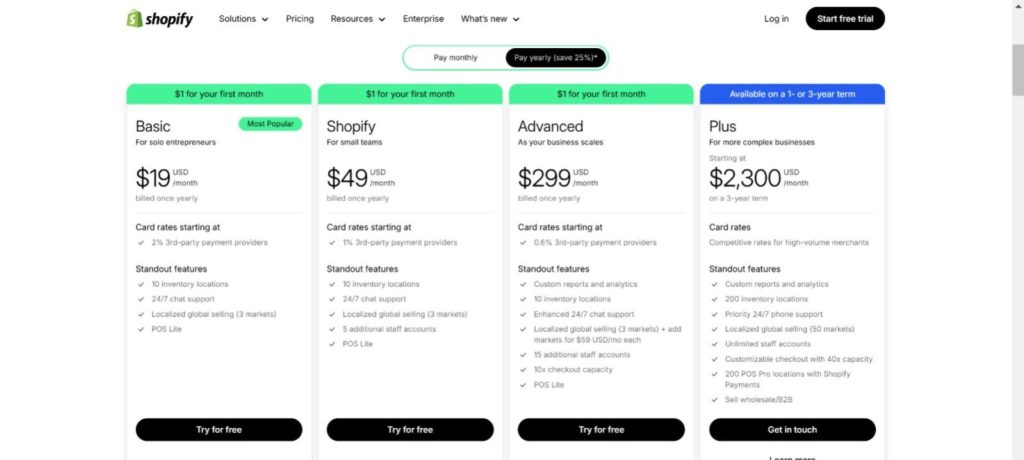
Odoo’s pricing can vary based on the number of modules and users. | Shopify has a straightforward subscription model with tiered pricing. |
Odoo may require a steeper learning curve but offers greater flexibility for those willing to invest time in learning. | Shopify’s user-friendly interface may be more appealing if your team lacks technical expertise. |
Odoo’s complete suite may be more beneficial,when business requires integration with other tools and systems | Shopify may not provide the same level of cohesion for all business functions. |
Odoo E-commerce Review: What Users Say
User reviews of Odoo highlight its versatility and powerful features, particularly for businesses looking to integrate various operations into one platform. Many users appreciate the customization options and the ability to tailor the platform to their needs. However, some users note that the learning curve can be steep, especially for those unfamiliar with ERP systems.
Best E-commerce Platforms 2024
As we look ahead to 2024, Odoo and Shopify continue to be strong contenders in e-commerce. While Shopify remains popular for its ease of use, Odoo is gaining traction among businesses looking for a more integrated approach to e-commerce and overall business management.
Making the Right Choice
In the Odoo vs. Shopify debate, the right choice ultimately depends on your business’s specific needs, size, and budget. Shopify excels in ease of use and quick setup, making it an excellent option for small—to medium-sized businesses. In contrast, Odoo offers a comprehensive suite of tools that can benefit larger organizations seeking an all-in-one solution.
As you consider your options, weigh the pros and cons of each platform carefully. By doing so, you can select the best e-commerce platform for your business in 2024 and beyond.
Comparison of pricing :
shopify:
Odoo: