
In today’s dynamic business environment, managing multiple business branches efficiently is crucial for sustained growth and success. Companies are increasingly turning to advanced software solutions to streamline their operations. One such solution is Odoo, a comprehensive suite of business applications that offers powerful tools for managing various aspects of a business. This blog post will delve into how Odoo multi-branch management can transform your operations, enabling you to effectively manage multiple branches, optimize resources, and enhance overall productivity.
Understanding Odoo Multi-Company Feature
Odoo’s multi-company feature is one of its standout capabilities. It allows businesses to operate multiple branches or subsidiaries under a single Odoo instance. This feature provides seamless integration and management of different entities, ensuring data flows smoothly across branches. By utilizing this feature, businesses can maintain a centralized control system while enabling each branch to operate independently, thus facilitating autonomy and flexibility.
Benefits of Odoo Multi-Branch Operations
Managing multiple branches can be a complex endeavour. However, Odoo simplifies this process through its Odoo branch management module, which offers various benefits:
- Centralized Data Management: With Odoo, all data related to sales, inventory, and financials is stored in one place, making it easier to access and analyze information across branches.
- Real-Time Reporting: Odoo provides real-time insights into each branch’s Performance, allowing managers to make informed decisions based on up-to-date information.
- Enhanced Operations: The software automates various processes, reducing manual intervention and minimizing errors, which is particularly beneficial for businesses with multiple branches.
- Cost Efficiency: Businesses can reduce overhead costs associated with managing separate systems for each branch by centralizing operations.
- Enhanced Collaboration: Odoo fosters collaboration between branches by providing communication and project management tools, ensuring that teams can work together effectively.
Implementing Odoo Branch Management
To effectively implement Odoo branch management, businesses should follow a structured approach:
- Define Your Structure: Before implementing Odoo, clearly define the organizational structure of your branches. Identify how each branch will operate and what level of autonomy they will have.
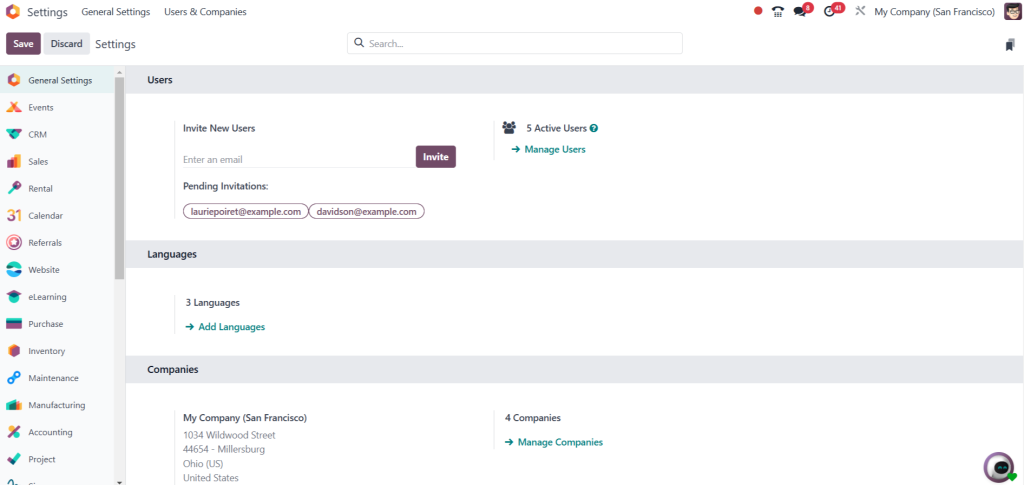
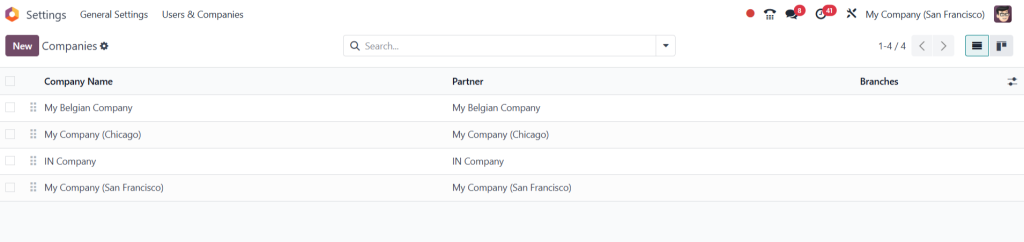
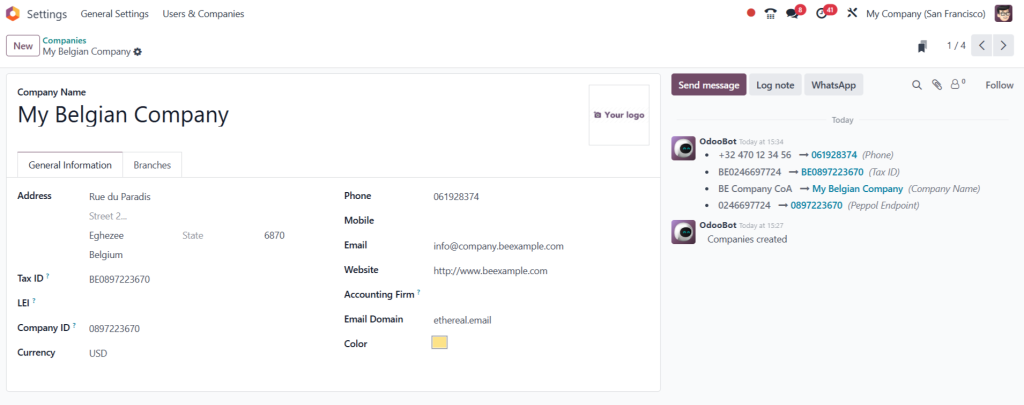
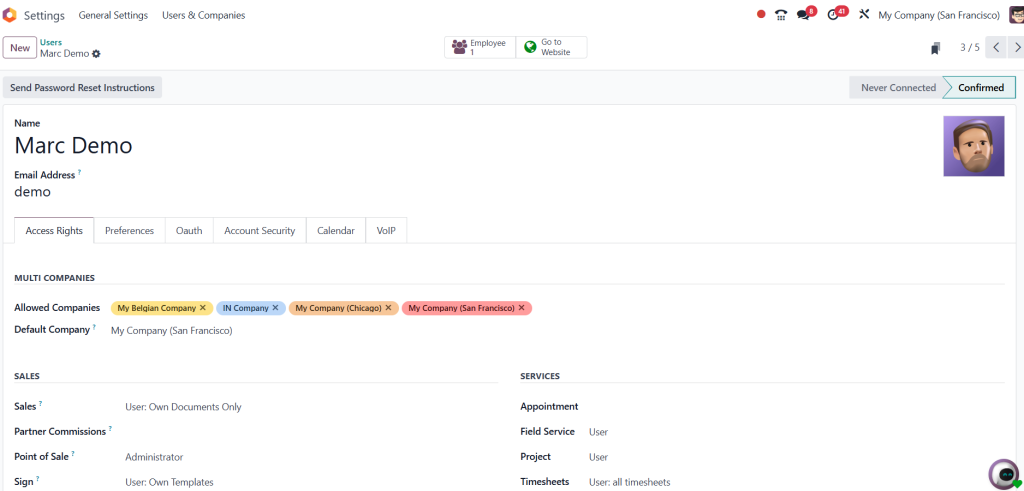
- Configure Odoo Settings: Utilize the Odoo multi-company feature to set up your branches within the system. This involves configuring each branch separately while maintaining a unified database.
- Train Your Team: Ensure your staff is well-trained in using Odoo. This will help them leverage the software’s features effectively and maximize productivity.
- Monitor Performance: Use Odoo’s reporting tools to monitor each branch’s Performance. Review key performance indicators (KPIs) regularly to identify areas for improvement.
- Gather Feedback: Encourage Feedback from branch managers and employees to refine processes and continuously improve Odoo use.
Key Features of Odoo Multi-Branch Support
Odoo’s multi-branch support offers a variety of features designed to enhance efficiency and streamline operations:
– Inventory Management: Odoo provides robust inventory management tools that allow businesses to track stock levels across multiple branches, ensuring that each location is adequately stocked.
– Sales and CRM: The sales and customer relationship management (CRM) modules enable businesses to manage customer interactions and sales processes effectively, regardless of branch location.
– Accounting and Finance: Odoo’s accounting module supports multi-branch accounting, allowing businesses to consolidate financial data while maintaining separate accounts for each branch.
– Human Resources Management: The HR module helps manage employee records, payroll, and recruitment across multiple branches, ensuring compliance with local regulations.
Challenges of Managing Multiple Branches
While Odoo provides powerful tools for managing multiple branches, businesses may still face challenges, including:
Communication Barriers: Effective communication between branches can be difficult, especially if they operate in different regions or time zones.
Data Consistency: It is crucial to maintain consistent data across branches. Businesses must implement strict data governance policies to prevent discrepancies.
Change Management: Transitioning to a centralized system like Odoo requires careful change management to ensure that all employees are on board with new processes and tools.
Empowering Your Business with Odoo
Odoo multi-branch management is a powerful solution for businesses looking to streamline operations and enhance productivity across multiple locations. By leveraging Odoo’s multi-company feature, organizations can effectively manage their branches, optimize resources, and drive growth. With the right implementation strategy and commitment to continuous improvement, businesses can harness Odoo’s full potential and achieve their goals